
🚨 THE UNFORGIVABLE SCANDAL: HOW THE OLYMPIC COMMITTEE TURNED ITS BACK ON AMERICA’S FASTEST WOMAN! 🚨
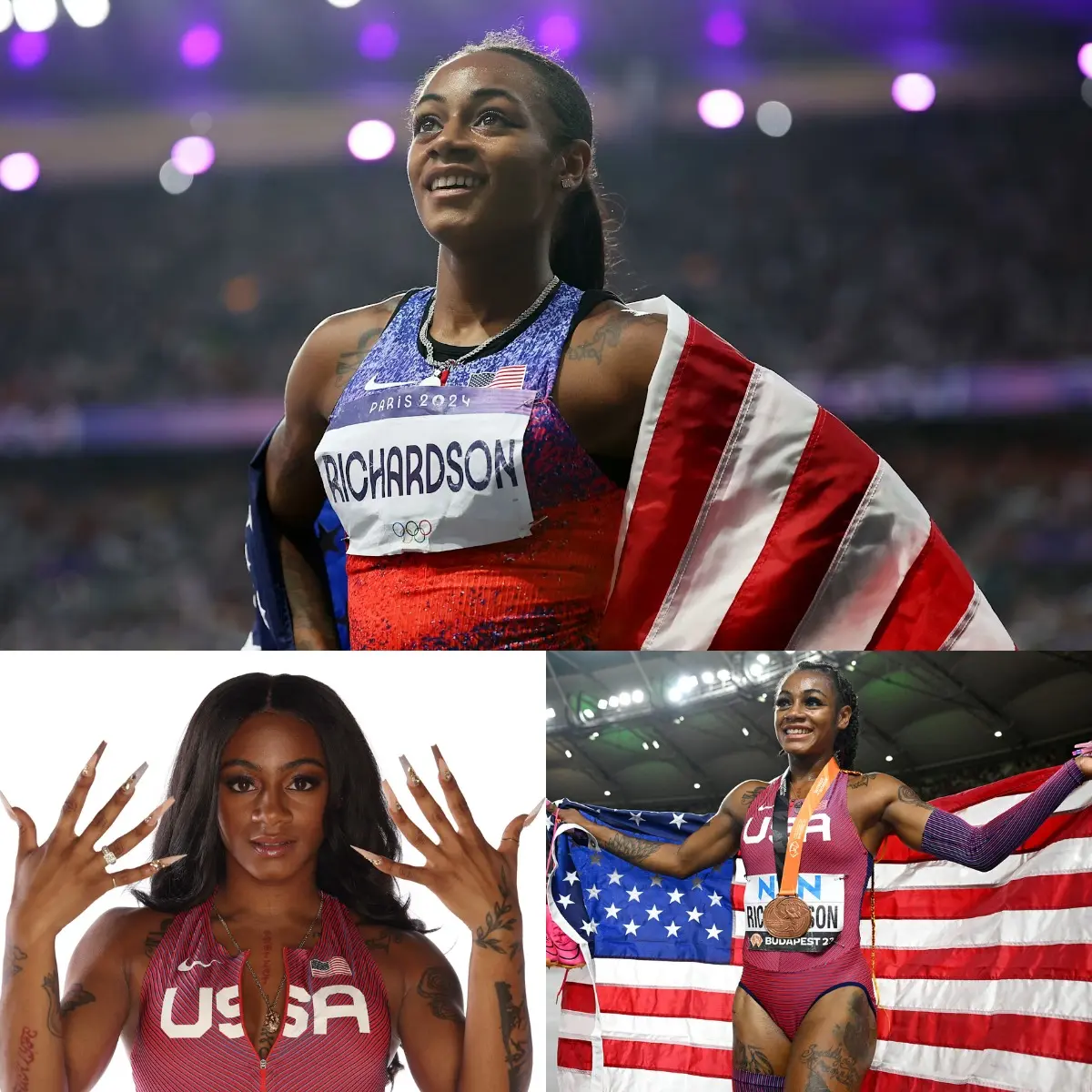
She didn’t lose the race. She was brutally denied her ultimate dream by a shockingly outdated rule.
While dealing with the devastating, sudden loss of her biological mother, sprint queen Sha’Carri Richardson was heartlessly stripped of her rightful place at the Tokyo 2020 Olympics. No empathy. No compassion. Just cold, archaic bureaucracy punishing a grieving daughter for making a human mistake.
The sporting establishment thought they could quietly silence a fiercely independent champion. Instead, they ignited a global firestorm and transformed her into an unstoppable symbol of resilience.
The controversy surrounding Sha’Carri Richardson’s suspension quickly became one of the most polarizing moments in modern sports history, sparking debates that extended far beyond athletics and into conversations about justice, humanity, and outdated institutional policies.
At the center of the storm stood a young athlete whose meteoric rise had captured global attention, combining electrifying speed with unapologetic authenticity that resonated deeply with a new generation of sports fans around the world.
Richardson’s journey to the Olympic stage had been nothing short of extraordinary, marked by perseverance, raw talent, and an unwavering determination to succeed despite the many obstacles she faced both on and off the track.
Her explosive performance at the U.S. Olympic Trials solidified her status as one of the fastest women alive, positioning her as a clear favorite to dominate the sprinting events on the world’s biggest stage.
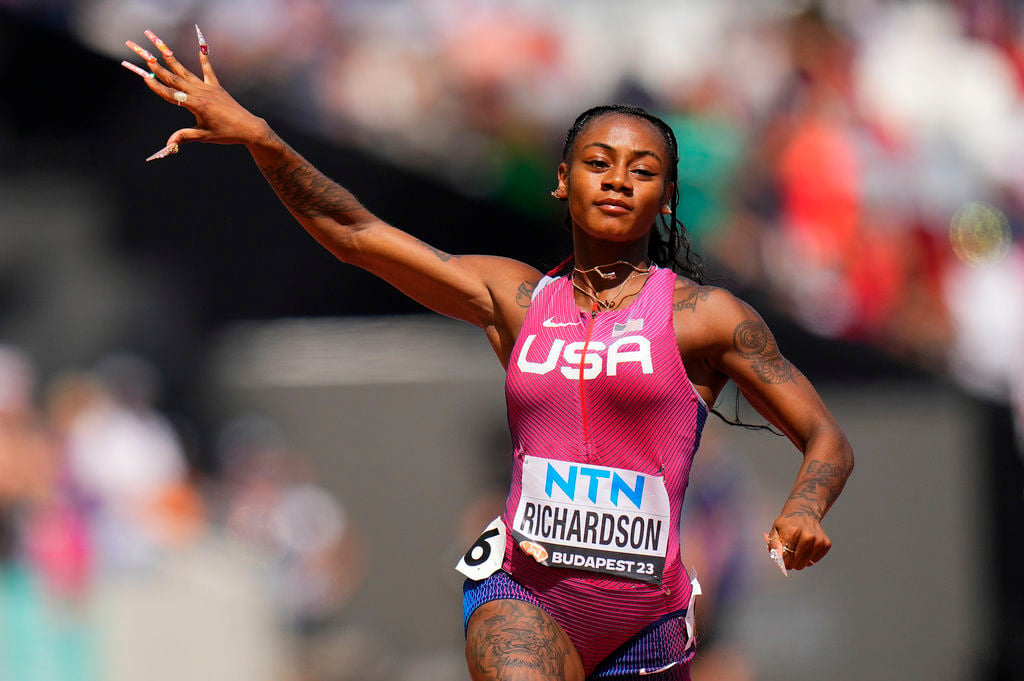
Yet just as her Olympic dream seemed within reach, tragedy struck with the sudden passing of her biological mother, a devastating loss that shook her emotionally at the most critical moment of her career.
Grief is a profoundly human experience, often unpredictable and overwhelming, and for Richardson, the emotional toll of that loss became a defining factor in the decisions she made during that difficult period.
In the aftermath, her positive test for a prohibited substance led to immediate disciplinary action from authorities associated with the International Olympic Committee, triggering a suspension that ultimately cost her a place at the Games.
The punishment was swift and unforgiving, leaving little room for context, compassion, or consideration of the extraordinary circumstances surrounding her personal tragedy at the time of the incident.
For many observers, the decision felt deeply disconnected from reality, highlighting a rigid system that prioritized strict adherence to rules over the emotional well-being of athletes facing real-life hardships.
Critics argued that the enforcement of such regulations lacked nuance, failing to recognize the complexities of human behavior and the need for empathy in moments of personal crisis.
Supporters of Richardson rallied behind her, pointing out that her actions were not driven by competitive advantage but by a moment of vulnerability during an intensely painful chapter of her life.
The backlash against the decision grew rapidly, fueled by social media platforms where millions voiced their frustration, anger, and disbelief at what they perceived as an unjust punishment.
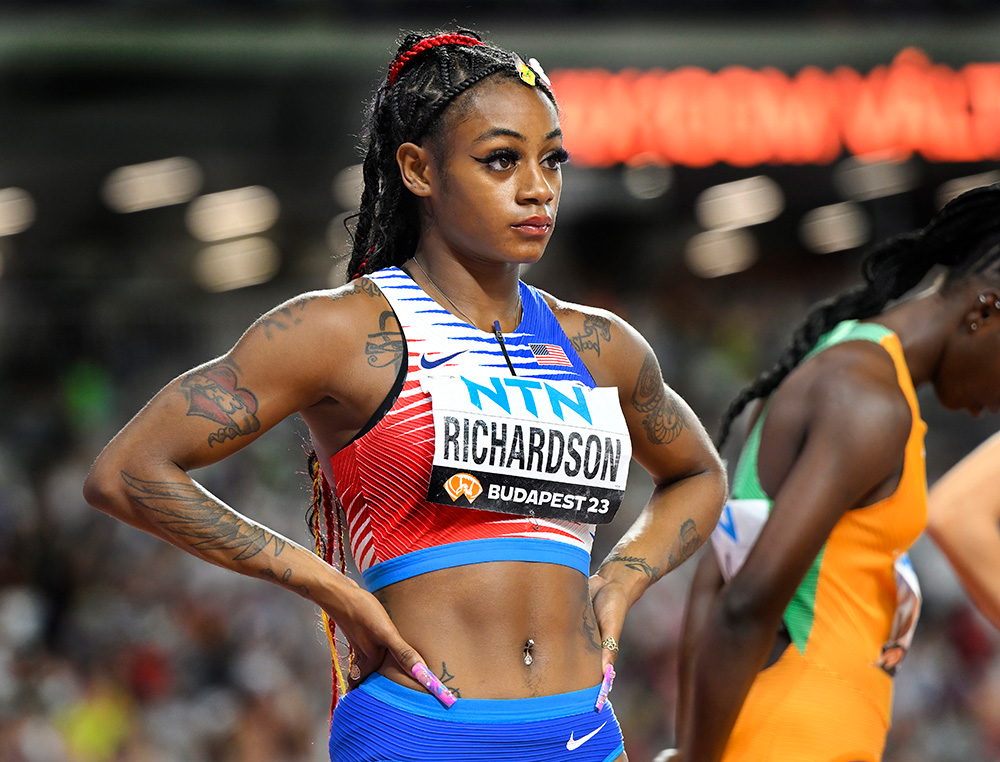
Athletes, celebrities, and public figures joined the conversation, amplifying the issue and calling for reforms to policies that seemed increasingly out of touch with modern societal values.
The situation also reignited long-standing debates about fairness, equality, and the disproportionate impact of certain rules on athletes from different backgrounds and communities.
For Richardson, the experience was both heartbreaking and transformative, forcing her to confront not only personal grief but also the immense pressure of public scrutiny on a global scale.
Despite the setback, she refused to be defined by the controversy, instead channeling her emotions into a renewed sense of purpose and determination to return stronger than ever.
Her resilience became a powerful narrative, inspiring countless individuals who saw in her story a reflection of their own struggles and the strength required to overcome adversity.
The incident also exposed broader systemic issues within the world of elite sports, prompting calls for a reevaluation of how governing bodies handle cases involving mental health and personal hardship.
Many argued that the rigid frameworks in place failed to account for the evolving understanding of athlete welfare, particularly in an era where mental health awareness has become increasingly important.
Richardson’s story served as a catalyst for change, encouraging discussions about the need to balance integrity in competition with compassion for the individuals who dedicate their lives to sport.
Her bold personality and refusal to conform to traditional expectations further elevated her status as a cultural icon, transcending the boundaries of athletics and influencing conversations in wider society.
The narrative surrounding her suspension shifted over time, evolving from one of controversy to one of empowerment, resilience, and the enduring human spirit in the face of adversity.
Brands, fans, and supporters continued to stand by her, recognizing that her authenticity and courage resonated far more deeply than any temporary setback in her career.
In many ways, the incident highlighted the disconnect between institutional policies and the lived experiences of athletes, underscoring the urgent need for reform within global sporting organizations.
Richardson’s eventual return to competition was met with widespread anticipation, as fans eagerly awaited the next chapter in her journey and the opportunity to witness her undeniable talent once again.
Her performances following the suspension demonstrated not only her physical capabilities but also her mental strength, proving that setbacks can serve as powerful catalysts for growth and reinvention.
The legacy of the controversy continues to influence discussions within the sporting world, shaping how future cases may be approached with greater sensitivity and understanding.
Ultimately, Richardson’s story is not just about a missed Olympic opportunity, but about the resilience of the human spirit and the capacity to rise above injustice and adversity.
It serves as a reminder that behind every athlete is a human being, navigating complex emotions and challenges that cannot always be measured by rules and regulations alone.
As the world continues to reflect on this unforgettable chapter, one thing remains clear: Sha’Carri Richardson’s impact extends far beyond the track, leaving an indelible mark on the future of sports and society.