
For years, royal observers have speculated about the possibility of a reconciliation between Prince Harry, Meghan Markle, and the rest of the British royal family. Despite periods of optimism and occasional reports suggesting private efforts to repair fractured relationships, fresh controversy has once again cast doubt on whether a meaningful reunion is possible in the foreseeable future.

Recent discussions among royal commentators have centered on claims that long-standing disputes surrounding public statements about Queen Elizabeth II continue to complicate efforts to rebuild trust. Critics argue that disagreements over past narratives have become a significant obstacle to any potential reconciliation, while supporters of Prince Harry and Meghan maintain that the couple were simply sharing their own experiences and perspectives.
The renewed debate highlights how difficult it has become for all parties involved to move beyond years of public disagreements. Since stepping back from royal duties in 2020, Harry and Meghan have participated in interviews, documentaries, podcasts, and other media projects that generated global headlines. Some of those projects included discussions about their relationship with royal institutions and family members, sparking intense reactions across the United Kingdom and beyond.
At the center of the latest controversy are claims that certain public narratives concerning Queen Elizabeth II created lasting tensions within royal circles. Commentators who are critical of the Sussexes argue that conflicting accounts and disputed interpretations damaged trust between family members. According to this view, reconciliation requires confidence that private conversations will remain private, something critics believe has become increasingly difficult.
Supporters of Harry and Meghan reject such accusations. They argue that the couple has faced years of scrutiny and criticism while attempting to explain their decisions to leave royal life. From this perspective, sharing personal experiences should not automatically be viewed as an attack on the institution or individual family members.
The debate reflects a broader challenge facing one of the world’s most closely watched families. Unlike private disputes that remain behind closed doors, disagreements involving senior royals often unfold in front of a global audience. Every statement, interview, and public appearance becomes part of a wider narrative that is analyzed by journalists, commentators, and millions of social media users.
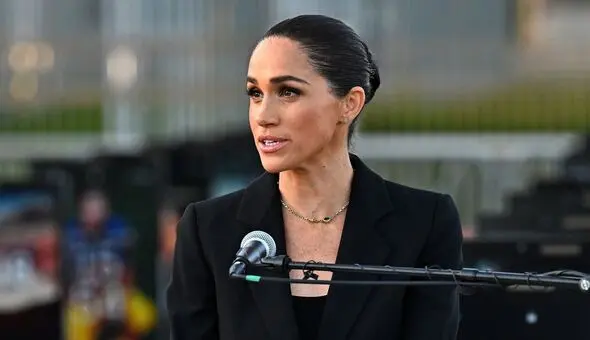
The late Queen Elizabeth II remains a central figure in these discussions. During her historic reign, she was widely respected for her ability to maintain stability during periods of significant change. Her commitment to public service earned admiration across generations and around the world. Even years after her passing, references to her legacy continue to influence debates surrounding the future of the monarchy.
Many royal analysts believe that the Queen often served as a unifying force within the family. Her ability to balance personal relationships with constitutional responsibilities was frequently praised as one of her greatest strengths. Because of that reputation, any disagreements involving her legacy naturally attract considerable attention.
The question of reconciliation has become one of the most persistent themes in modern royal coverage. Reports suggesting possible peace talks occasionally emerge, only to be followed by new controversies that reignite tensions. As a result, public expectations often fluctuate between optimism and skepticism.
Some royal commentators argue that rebuilding relationships requires time, patience, and mutual understanding. They suggest that public speculation may actually make reconciliation more difficult by creating additional pressure on all involved. Every reported meeting, conversation, or gesture is immediately examined for hidden meanings, leaving little room for private progress.
Others believe that genuine reconciliation remains possible despite years of disagreements. They point to the fact that family relationships are often more complex than media narratives suggest. Personal bonds can survive periods of conflict, particularly when there is a shared desire to move forward.
Public fascination with Prince Harry and Meghan Markle continues to fuel interest in every development. Since relocating to the United States, the couple has remained among the most discussed figures connected to the royal family. Their projects frequently attract international attention, ensuring that even relatively minor stories can become major headlines.
At the same time, senior working royals continue to focus on public duties, charitable initiatives, and official engagements. This contrast between institutional responsibilities and independent projects has contributed to ongoing comparisons that shape media coverage.
Critics of the Sussexes argue that repeated public discussions about family matters have complicated efforts to rebuild trust. They contend that private reconciliation becomes more challenging when disagreements are debated in public forums. According to this perspective, lasting peace requires a willingness to leave past grievances behind.
Supporters counter that open communication is an important part of resolving conflicts. They argue that acknowledging personal experiences does not necessarily prevent healing and may even contribute to greater understanding. From their viewpoint, public criticism directed at Harry and Meghan often overlooks the challenges they have faced since leaving royal life.
The role of the media cannot be ignored in this ongoing story. Royal reporting remains one of the most competitive areas of journalism, with news organizations around the world closely monitoring developments. Stories involving family tensions, reconciliation efforts, and personal relationships naturally attract strong audience interest.
Social media has added another dimension to the conversation. Platforms that allow instant reactions and commentary can amplify disputes within hours. A single interview clip or headline can generate thousands of discussions, many of which offer sharply different interpretations of the same events.
This environment makes it increasingly difficult to separate confirmed information from speculation. While some reports rely on named sources and official statements, others are based largely on anonymous claims or commentary. As a result, public understanding of royal events is often shaped by competing narratives rather than definitive facts.
Despite ongoing controversy, there are still observers who believe reconciliation remains achievable. History provides numerous examples of families overcoming periods of conflict, particularly when circumstances change over time. The passage of years can create opportunities for reflection and renewed dialogue.
Whether such progress is possible within the royal family remains uncertain. Public expectations, media attention, and institutional considerations all add layers of complexity that most families never experience. Any effort to rebuild relationships would likely require discretion, patience, and a commitment to focusing on shared interests rather than past disagreements.
The legacy of Queen Elizabeth II continues to influence how these discussions are viewed. Many people remember her dedication to unity, duty, and continuity. As debates about reconciliation continue, her example is frequently cited as a reminder of the importance of maintaining family connections even during challenging times.
For now, speculation about the future relationship between Prince Harry, Meghan Markle, and the wider royal family shows no signs of disappearing. Every new report, interview, or public appearance is likely to generate fresh discussion about whether reconciliation is moving closer or drifting further away.
What remains clear is that public interest in the story remains exceptionally strong. The ongoing debate is about more than individual personalities; it reflects broader questions about family, trust, communication, and the challenges of navigating private relationships under extraordinary public scrutiny.
As the monarchy continues to evolve in the twenty-first century, the possibility of a future reunion will remain one of the most closely watched narratives in royal affairs. Whether reconciliation ultimately occurs or not, the conversation surrounding Prince Harry, Meghan Markle, and the royal family is likely to remain a significant topic of public interest for years to come.