
The final race of the World Championships ended with silence rather than celebration for Lars van der Haar. As the crowd waited, cameras caught the Dutch veteran standing motionless, eyes red, shoulders shaking, struggling to process emotions overwhelming him after crossing the line.
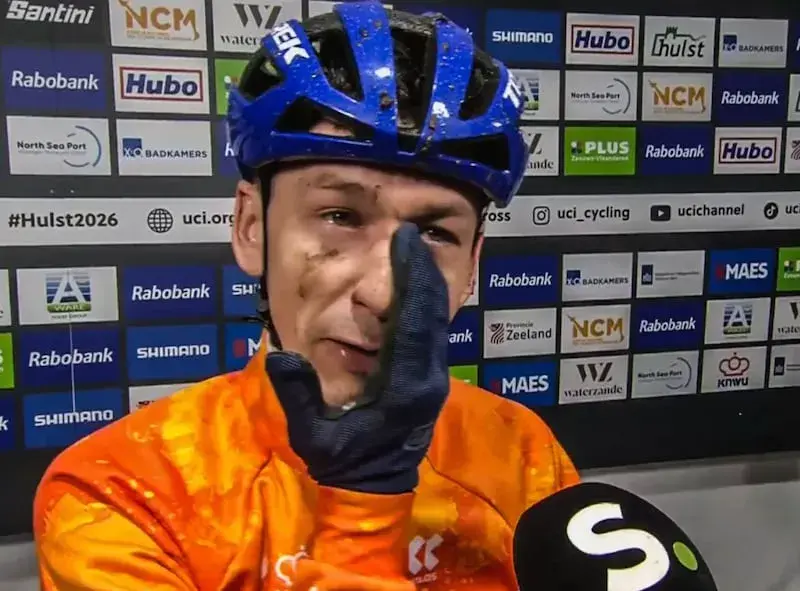
Moments later, during an interview meant to reflect on competition, van der Haar unexpectedly collapsed into tears. His voice trembled as he admitted the race felt secondary to something far greater unfolding off the track, leaving reporters and fans stunned by his raw honesty.
At thirty four, van der Haar knew this championship marked the closing chapter of his cyclocross career. Years of mud, pain, sacrifice, and triumph rushed back instantly, but the farewell carried deeper weight than sporting legacy alone could explain.
He revealed that throughout the race his thoughts were divided dangerously. His wife Lucy was heavily pregnant, and doctors had warned the birth could happen at any moment. Every lap carried the fear that a single phone call would change everything.
With trembling hands, he confessed that if Lucy’s water had broken during the race, he would have abandoned immediately. No medal, no title, and no farewell moment could outweigh being present for the birth of his child.
That admission shocked fans accustomed to athletes placing competition above all else. Van der Haar’s words stripped away bravado, revealing a man torn between lifelong professional commitment and an overwhelming sense of responsibility as a husband and future father.
Behind the scenes, tension grew rapidly as team staff monitored messages from the hospital. Teammates noticed his distracted gaze and uncharacteristic silence, sensing something was wrong long before the interview exposed the emotional storm brewing inside him.
Sources later confirmed that during the race an urgent call nearly reached him. Medical staff were preparing for Lucy’s labor, and contingency plans were discussed quietly, including immediate transport should van der Haar need to leave the venue instantly.
Team officials reportedly debated whether to inform him mid race. Ultimately, they chose protection over disruption, fearing the news could cause panic or physical risk. The decision weighed heavily on everyone involved, including van der Haar afterward.
When the finish finally came, relief mixed with guilt. Lucy had not yet gone into labor, but the emotional strain collapsed his defenses. Standing before microphones, he could no longer separate athlete discipline from personal vulnerability.
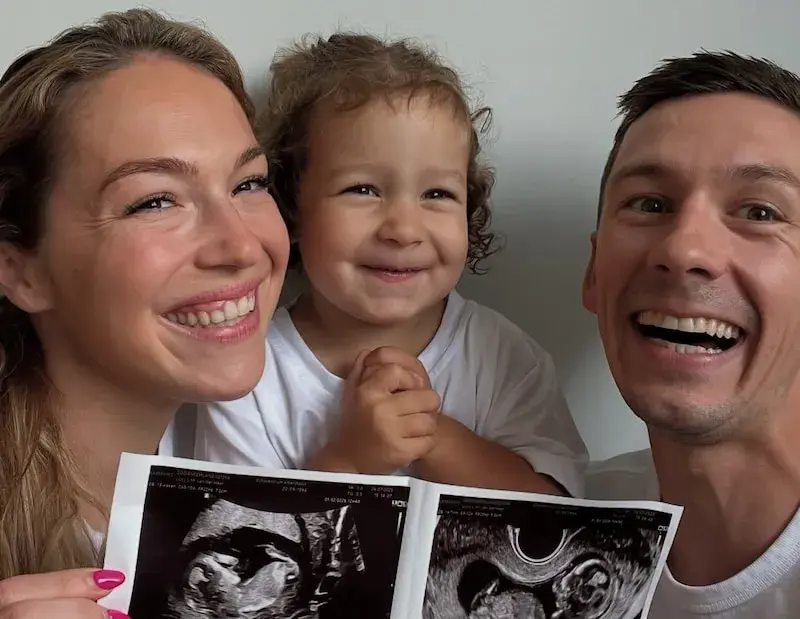
His tears were not those of defeat, but of release. Years of suppressing fear, pressure, and private sacrifice surfaced together, amplified by the realization that his identity was shifting permanently away from professional cycling.
Van der Haar spoke of Lucy with reverence, thanking her for enduring years of uncertainty, injuries, and absences. He admitted that this race felt like borrowed time, granted by circumstances he could not fully control or predict.
Fans listening sensed sincerity rarely heard in post race interviews. There were no rehearsed lines or strategic messaging, only a man acknowledging that family had finally overtaken ambition, even on the sport’s grandest stage.
The cyclocross community responded with overwhelming support. Messages poured in praising his courage, not just as a rider, but as a human being willing to admit limits and priorities often hidden behind elite competition.
Former rivals expressed respect, noting how difficult it must have been to race with such emotional stakes. Many admitted they would not have had the strength to even start under similar circumstances.
Van der Haar’s career has been defined by consistency rather than constant dominance. He embraced that narrative, explaining that showing up year after year mattered more to him than singular glory, especially now, with fatherhood approaching rapidly.
As he wiped tears from his face, he thanked younger teammates for carrying the future forward. His voice softened when describing how he looked forward to supporting them without pressure, no longer chasing results for himself.
He confirmed this championship was his final cyclocross race. The decision, he said, felt natural rather than tragic, because life was offering him a new role that demanded equal dedication, patience, and emotional strength.
Lucy later released a brief statement assuring fans she was stable and grateful. She described watching the race nervously, phone nearby, understanding exactly what her husband risked emotionally by choosing to compete that day.
The near miss with the hospital call changed van der Haar forever. He admitted that even training now felt different, knowing every moment away from home carried new meaning and a deeper sense of accountability.
Cycling, he said, taught him endurance, but impending fatherhood taught him perspective. The ability to let go, to step away when necessary, suddenly felt like the greatest victory his career could offer.
As the interview concluded, silence replaced applause. Reporters lowered microphones, respecting the moment. What unfolded was not sports drama, but a deeply human crossroads shared publicly, without filters or protection.
In the end, Lars van der Haar did not leave with a jersey or trophy. He left with clarity, gratitude, and a story that will endure far longer than results, reminding fans that even champions are shaped by love.