
The landscape of European football has often been defined by its ability to balance high-stakes competition with the preservation of sporting integrity, yet the 2026 UEFA Champions League season has found itself at a complex crossroads. Following a series of matches that have sparked intense debate across the continent, Arda Guler, the young and highly regarded talent, shared a perspective that has resonated far beyond the locker rooms of Madrid.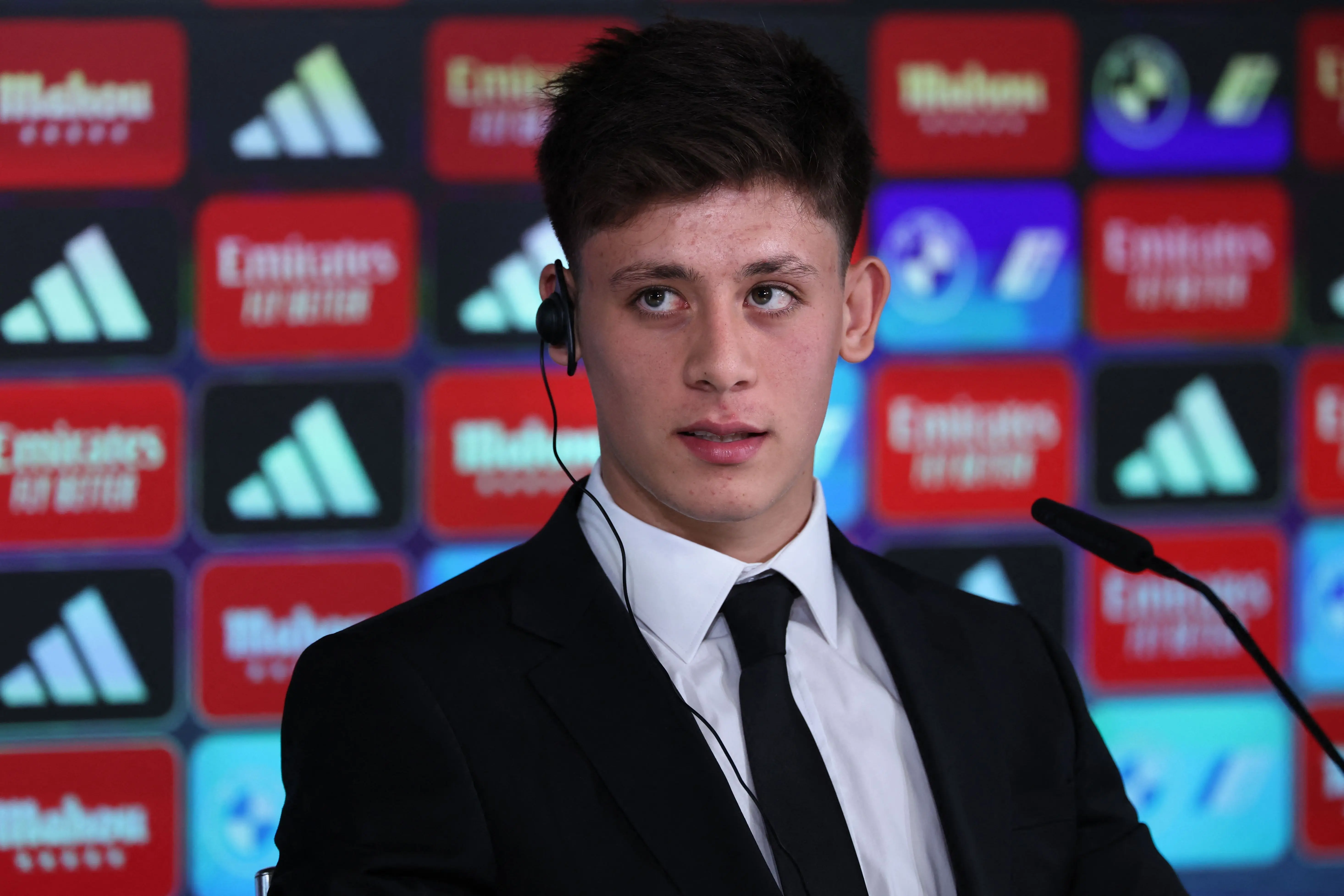
While his comments were initially framed by social media as a direct challenge to the establishment, a more measured analysis suggests that his words reflect a broader, more philosophical concern regarding the evolution of modern sports. Guler’s observation that the tournament’s competitive spirit feels increasingly overshadowed by external pressures is not an isolated sentiment; rather, it is a conversation that has been brewing among players, analysts, and fans alike as the commercial demands of the sport continue to expand.
In his recent address, Guler pointed to a perceived inconsistency in how matches are governed and how the narrative of the tournament is constructed, referencing recent frustrations shared by other major clubs, including Barcelona. This sense of shared grievance among Europe’s elite clubs suggests a growing collective anxiety about the transparency of the sport’s administrative structures. When Guler mentioned that the tournament had become influenced by financial interests and political ambitions, he was likely touching upon the increasingly visible intersection of global capital and sporting governance.
The modern Champions League is no longer just a series of football matches; it is a multi-billion-euro ecosystem where the lines between commercial success and sporting merit can sometimes appear blurred to those on the pitch. His plea for UEFA to safeguard the “core values” of the game serves as a poignant reminder that for the athletes, the purity of the contest remains the ultimate priority.
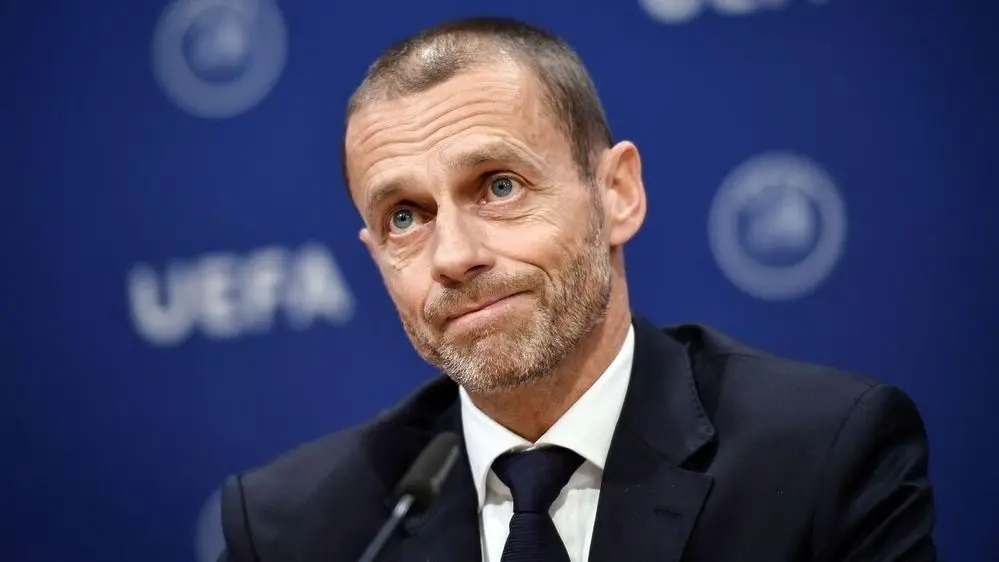
The response from the President of UEFA, which arrived with notable speed, signaled that the governing body is acutely aware of the shifting tide in player sentiment. Rather than adopting a purely disciplinary stance, the official communication seemed to acknowledge the gravity of the concerns raised by the younger generation of players. This dialogue marks a significant moment in the relationship between the governing bodies and the participants. For decades, players were often expected to remain silent on matters of administration, but the current era—defined by the empowerment of individual athletes and the democratization of information—has changed that dynamic.
Guler, representing a generation that is both globally connected and socially conscious, is finding his voice at a time when the sustainability of the current European football model is being questioned from multiple angles.
To understand the depth of this issue, one must look at the structural changes that have occurred within the Champions League over the last few years. The drive for increased revenue has led to expanded formats, more frequent fixtures, and a heightened emphasis on markets outside of traditional European strongholds. While these changes have brought unprecedented wealth to the sport, they have also placed a significant physical and mental strain on the players.
When a player of Guler’s caliber speaks about “fairness,” he is not necessarily referring to a single refereeing decision or a specific match result; he is referring to the fairness of a system that demands more and more from its participants while seemingly prioritizing financial growth over the traditional essence of the game. The mention of “political ambitions” likely refers to the complex geopolitical alliances that now influence club ownership and tournament hosting rights, factors that can feel very distant from the simple act of scoring a goal.
The comparison Guler made between the experiences of different clubs, specifically citing the recent frustrations at Barcelona, highlights a rare moment of solidarity in the often-fractious world of Spanish football. It suggests that the concerns regarding the tournament’s direction are not rooted in club-level bias but are part of a systemic critique. The footballing world is currently grappling with how to maintain the “magic” of the Champions League—the sense that on any given night, any team can win through sheer talent and hard work—when the economic gap between the top and bottom of the pyramid continues to widen.
If the competition begins to feel like a scripted byproduct of financial might rather than a spontaneous display of skill, the very identity of European football is indeed at risk, as Guler suggested.
The promptness of the UEFA President’s statement also reflects the high stakes involved in maintaining the brand’s reputation. In an era where alternative leagues and breakaway concepts have been discussed, UEFA must work harder than ever to prove that its flagship competition remains the pinnacle of “fair play.” The official response focused on the complexity of modernizing a global product while maintaining its traditions, yet it also opened the door for further consultation with player unions and club representatives. This suggests that Guler’s critique, while sharp, may act as a catalyst for much-needed internal reform.
Instead of being viewed as an act of rebellion, his words could be seen as an invitation for a more transparent and inclusive dialogue about the future of the sport.
As we look toward the remainder of the 2026 season, the focus will undoubtedly remain on whether the governing bodies can reconcile these commercial imperatives with the ethical standards expected by the players and the public. The “shock” of Guler’s statement lies not in its content—as many have whispered these concerns in private—but in the courage of a young athlete to speak them so clearly on a global stage. It is a testament to his maturity and his deep respect for the sport that he is willing to risk controversy to defend what he perceives as its soul.
The core values of football—integrity, unpredictability, and the equal opportunity for success—are what made the Champions League the most watched sporting event in the world. Protecting those values requires more than just high-quality broadcasting and lucrative sponsorships; it requires the trust of those who play the game.
The ongoing debate will likely center on how to implement “financial interests” in a way that supports the growth of the game without compromising its competitive balance. There is a delicate equilibrium to be maintained between being a successful global business and a fair sporting competition. As the 2026 tournament progresses, every decision made by officials and administrators will be viewed through the lens of Guler’s critique. This added scrutiny may actually be beneficial for the sport, forcing a level of accountability that has perhaps been lacking in recent years.
By addressing these issues openly, the footballing community has a chance to ensure that the sport’s “identity” remains intact for future generations.
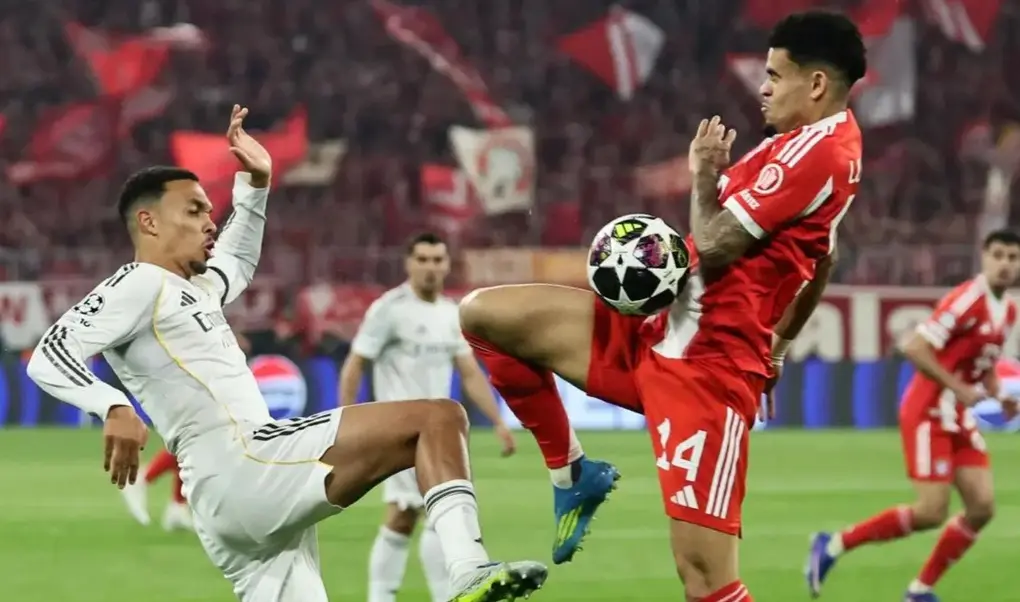
Ultimately, the narrative of the 2026 Champions League will be defined by how the institution responds to this moment of internal reflection. Will it double down on its current trajectory, or will it listen to the voices of its most valuable assets—the players? Arda Guler has provided a roadmap for a necessary conversation, one that moves beyond the results on the pitch and into the very heart of how sport is governed in the 21st century.
His words serve as a reminder that while football is a business, it is first and foremost a game—a game that belongs to the players who sweat for it and the fans who live for it. Keeping that game “fair” is not just a regulatory requirement; it is a moral obligation to the history of the sport. Through this lens, the controversy of today can be transformed into the progress of tomorrow, ensuring that the Champions League remains a beacon of excellence and equity in the world of sports.