
🚨BREAKING NEWS 30 MINUTES AGO: UFC Leadership Reaches Unanimous Decision to REMOVE Two Fighters After Explosive Three-Hour Meeting
Shockwaves have rippled across the mixed martial arts world following an emergency leadership meeting inside the Ultimate Fighting Championship that concluded with one of the most dramatic roster decisions in recent memory. According to multiple internal sources, UFC executives reached a unanimous agreement to remove two active fighters from upcoming competitions after what insiders described as a tense, high-stakes, three-hour closed-door session.
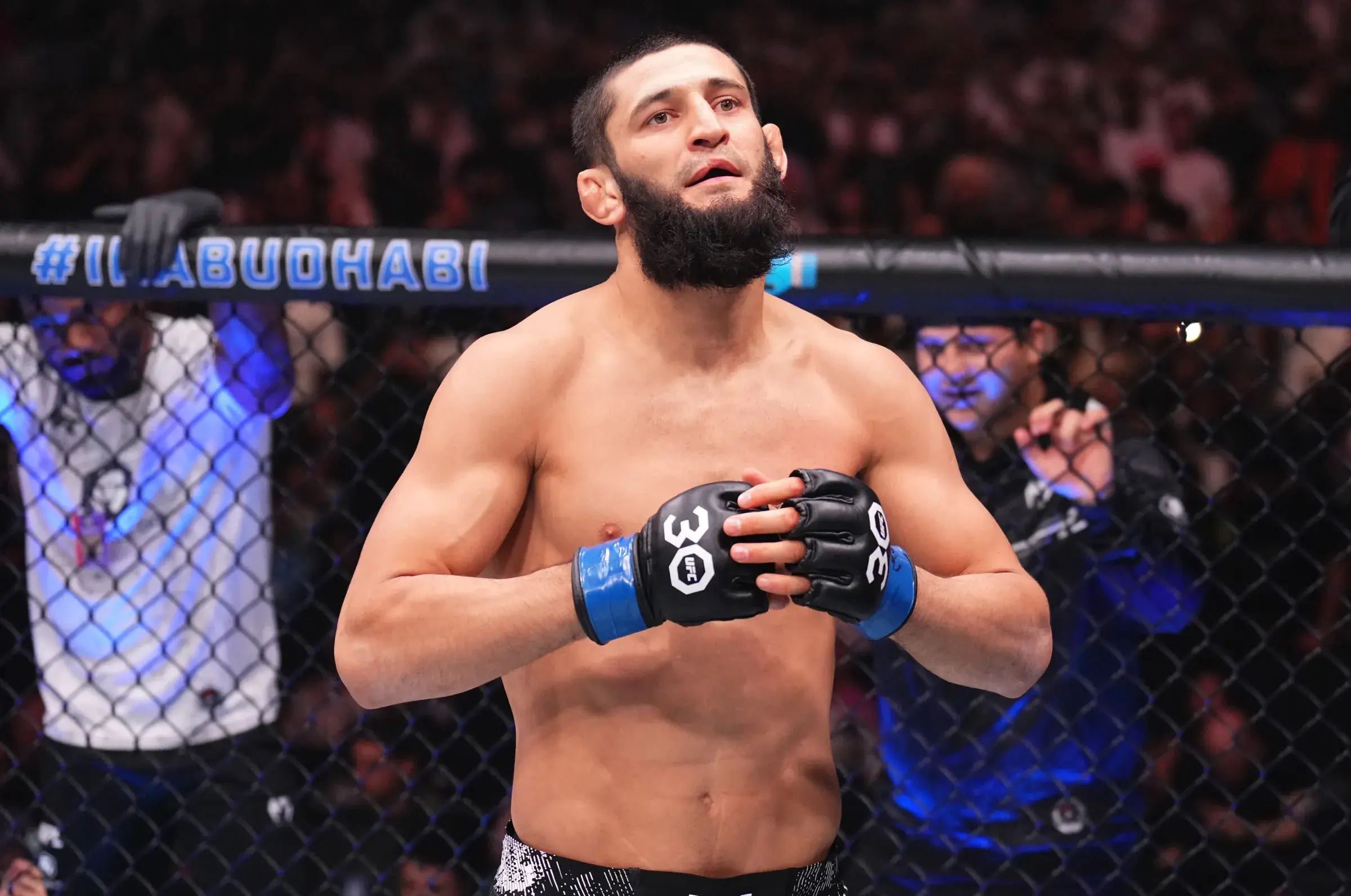
The meeting, convened with little public notice, reportedly included top executives, matchmakers, legal advisors, and performance operations staff. While the organization has yet to release an official statement naming the fighters involved, the urgency and scale of the decision have already ignited speculation across the MMA community, with analysts calling it “an institutional reset moment” rather than a routine disciplinary action.
At the center of the controversy stands UFC president Dana White, who, according to insiders present or briefed on the discussion, played a decisive role in outlining the internal issues that ultimately drove the vote. One quoted remark from the meeting has already circulated widely: “I think it was something necessary so that the other members could develop better….” The phrasing, while measured, hinted at deeper structural tensions behind the scenes.
Sources indicate that the concerns raised were not limited to in-cage performance. Instead, they allegedly involved a combination of professional conduct, contractual friction, training camp conflicts, and repeated disruptions to fight scheduling. These cumulative issues, insiders say, created growing frustration among matchmakers and fellow fighters who felt that divisional progress was being stalled.
“The roster has to move forward,” one internal source reportedly said after the meeting. “If certain situations block opportunities for others, leadership has to step in.”
The decision to remove fighters from competition — rather than issue fines or suspensions — signals the seriousness of the situation. In UFC operational structure, such action is rare and typically reserved for cases where leadership believes long-term divisional health is at stake. By framing the move as necessary for broader athlete development, executives appear to be positioning the decision as strategic rather than punitive.
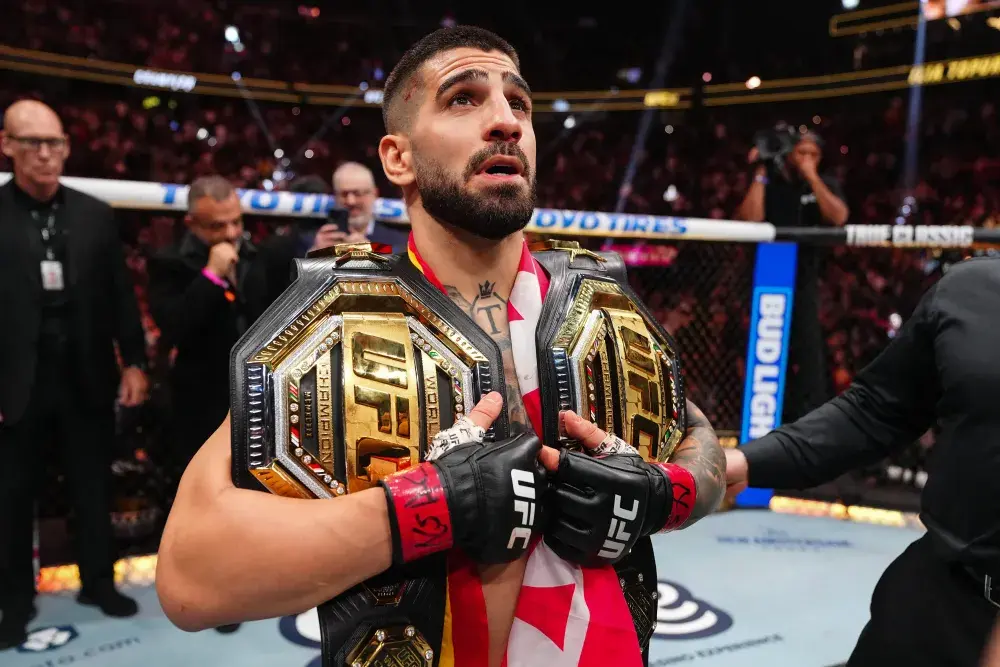
Fighters across multiple divisions reacted swiftly once the news began circulating. Some expressed shock at the severity of the outcome, while others — speaking anonymously — suggested the tension had been building for months. Training partners, coaches, and gym affiliates have reportedly been contacted by promotion officials to ensure upcoming fight cards remain unaffected by the sudden removals.
Promoters now face the logistical challenge of reshuffling scheduled bouts. Replacement fighters are expected to be announced within days, with several rising contenders rumored to be on standby. For prospects waiting for breakthrough opportunities, the decision could accelerate career trajectories overnight.
Broadcast partners are also monitoring the fallout closely. Fight card marketing, pay-per-view projections, and sponsorship placements often rely heavily on star narratives. Removing active fighters — especially if they were positioned in headline or co-main roles — forces rapid recalibration across promotional campaigns.
Industry analysts believe the timing of the meeting may be tied to upcoming seasonal events and international expansion plans. With new markets, broadcast deals, and performance institute programs in development, organizational leadership may be prioritizing stability and brand alignment over short-term star power.
Fan reaction has been predictably explosive. Social media platforms were flooded within minutes of the leak, with hashtags related to the decision trending globally. Supporters of the unidentified fighters demanded transparency, while others defended the promotion’s authority to enforce professional standards.
“This isn’t just about two fighters,” one veteran MMA journalist commented during a live podcast reaction. “It’s about how the UFC defines discipline, opportunity flow, and locker room culture moving forward.”
Legal experts have also entered the conversation, noting that fighter contracts include behavioral and promotional clauses that allow organizational discretion in bout eligibility. However, if the removals extend beyond temporary competition bans into contract termination territory, potential disputes could emerge.
Despite the noise, UFC leadership has so far maintained silence beyond internal briefings. Communications staff are expected to release a formal statement once replacement bouts are finalized and regulatory filings are complete. Athletic commissions overseeing sanctioned events will also need to approve revised fight lineups.
Historically, moments like this have marked turning points within the promotion. Past roster purges or disciplinary waves often coincided with shifts in matchmaking philosophy, talent scouting, and brand positioning. Some insiders believe this decision could signal a renewed focus on professionalism, media reliability, and schedule accountability as the promotion expands its global footprint.
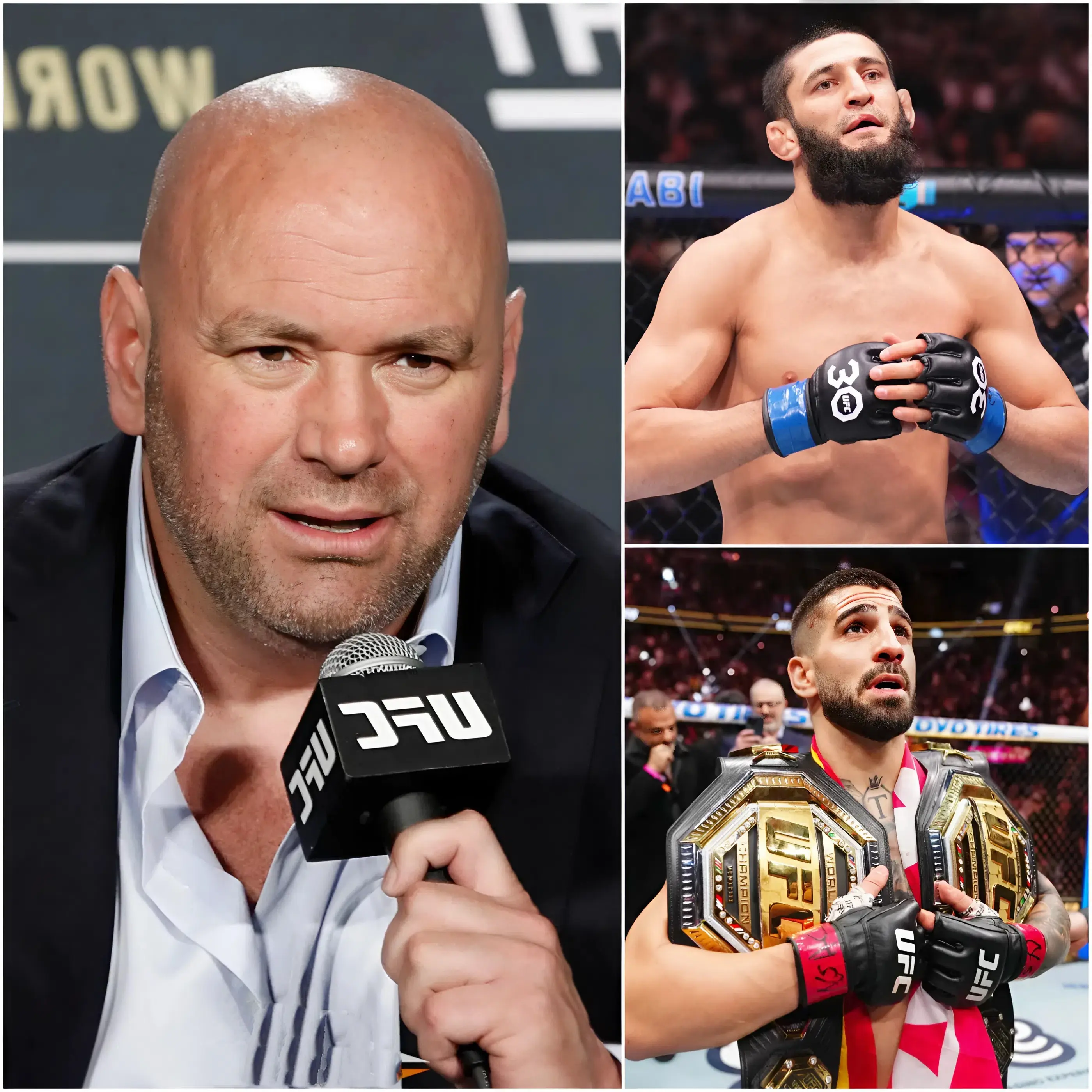
For the fighters directly affected, the immediate future remains uncertain. Options may include renegotiation, movement to other promotions, or a pathway back contingent on behavioral or contractual resolutions. UFC precedent shows that while removal decisions can be severe, reconciliation is not impossible if conditions are met.
What remains undeniable is the shock factor. The secrecy of the meeting, the unanimity of the vote, and the framing of the decision as necessary for collective development have combined to produce one of the most talked-about breaking stories in recent MMA history.
As fans await official confirmation of names, replacement fights, and disciplinary specifics, one thing is already clear: the internal dynamics of the world’s leading MMA promotion have entered a new phase — one where leadership appears willing to make swift, controversial decisions to protect competitive balance and organizational direction.
And if insider sentiment proves accurate, today’s removals may not be an isolated event but the opening signal of a broader structural tightening designed to reshape the future landscape of elite mixed martial arts competition.