
Recent online discussions have reignited debate after claims circulated that Henry Cavill criticized what some describe as a double standard in Hollywood. Social media posts framed his comments as a strong indictment of industry norms regarding gender and public perception.
While headlines used dramatic phrasing, closer examination suggests the conversation centers on broader cultural patterns rather than a single explosive statement. Observers point to recurring moments in entertainment media where male actors face objectifying commentary.
Cavill, widely recognized for portraying Superman on screen, has frequently been praised for his physical transformation for demanding roles. However, discussions have emerged about how promotional interviews sometimes emphasize appearance over artistic preparation.
In various press appearances throughout his career, questions about diet routines, muscle development, and shirtless scenes have often overshadowed deeper conversations about character motivation. Supporters argue that such focus reflects a larger entertainment culture prioritizing spectacle.
Critics of the industry note that objectification is not limited to women, though it has historically affected female performers more visibly. They suggest that dismissing similar experiences faced by men can perpetuate unequal standards in evaluating respect.
Media scholars explain that humor frequently masks discomfort. Jokes about male physiques or flirtatious interview moments may be normalized because they are perceived as harmless, even when they shift attention away from professional achievements.
The conversation gained traction as fans revisited older promotional clips. Some interpreted certain exchanges as awkward or overly focused on Cavill’s body rather than his creative contributions to film projects.
Cultural analysts caution against oversimplifying complex dynamics. Entertainment publicity often encourages lighthearted banter, and tone can be subjective. What one viewer perceives as disrespect, another may interpret as playful conversation.
Nevertheless, the broader question resonates: how does society respond when men experience commentary about their appearance that would be criticized if directed at women? This inquiry touches on evolving definitions of fairness and sensitivity.
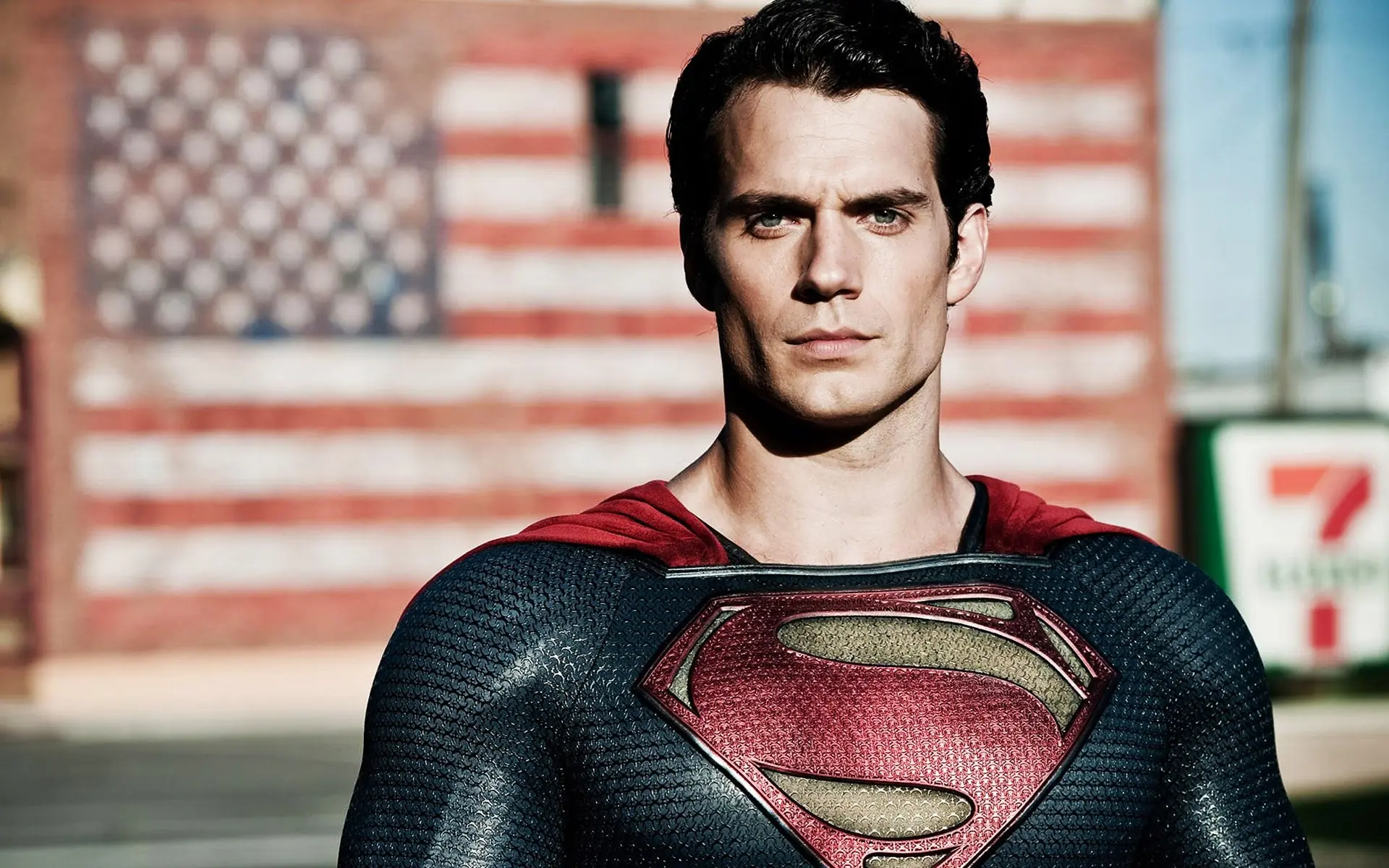
Cavill’s portrayal of Superman involved rigorous training, detailed costume fittings, and intense stunt coordination. Discussions about shirtless scenes often emphasize physical dedication without equally highlighting emotional nuance within performance.
Industry observers note that marketing strategies sometimes rely on visual appeal to attract audiences. Studios may highlight transformation stories because they generate measurable engagement across digital platforms.
However, commentators argue that repeated emphasis on physical traits can overshadow craft. Actors invest significant time developing character arcs, studying scripts, and collaborating with directors to convey layered storytelling.
In recent years, conversations about representation and equality have expanded to include men’s experiences. Advocates suggest that acknowledging objectification across genders can contribute to more balanced professional environments.
Cavill has previously spoken in interviews about maintaining professionalism and respecting colleagues. Although he has not framed his experiences as accusations, fans interpret certain remarks as reflective of industry expectations.
Film historians point out that Hollywood has long celebrated physiques, from classic leading men to modern action heroes. Marketing materials frequently spotlight strength and attractiveness as shorthand for charisma.
At the same time, many actors express desire to be recognized primarily for skill. Public conversations about fairness increasingly question whether promotional tactics align with evolving cultural standards.
The phrase “double standard” implies unequal treatment under similar circumstances. Analysts emphasize the importance of examining context before drawing conclusions about systemic bias within entertainment institutions.
Scholars in gender studies explain that societal norms influence how audiences perceive comments. Historically, women’s objectification has been linked to structural inequality, which shapes reactions to similar treatment of men.
That historical context does not negate the potential discomfort male performers may feel. Instead, it highlights the complexity of addressing fairness without minimizing longstanding struggles for gender equity.
Entertainment journalism continues to evolve. Many outlets now prioritize questions about creative process, character research, and collaboration rather than focusing exclusively on appearance.
Social media, however, amplifies clips that spark strong reactions. A short exchange can circulate widely, detached from its original setting, inviting varied interpretations among viewers.
Fans supporting Cavill argue that respect in interviews should be universal. They maintain that humor or flirtation should never overshadow professional achievements or reduce performers to physical attributes.
Others suggest that open conversation, rather than outrage, offers a constructive path forward. Examining media practices can encourage balanced approaches benefiting all artists, regardless of gender.
Cavill’s career spans diverse genres, including historical drama, fantasy, and espionage. Across projects, colleagues frequently describe him as diligent and collaborative, emphasizing work ethic over image.
Observers note that addressing objectification does not require adversarial framing. Constructive dialogue can explore how publicity strategies might evolve to better reflect performers’ multifaceted contributions.
Academic researchers studying media culture highlight the power of framing. Headlines using intense language may attract clicks, yet nuanced analysis often yields more meaningful understanding.
In evaluating claims that Hollywood maintains inconsistent standards, experts recommend examining patterns across multiple cases rather than relying on isolated anecdotes.
The entertainment industry includes varied stakeholders, from studios and publicists to journalists and audiences. Each group influences how actors are portrayed and perceived.
Recent discourse illustrates growing sensitivity to issues of dignity and professionalism. Viewers increasingly expect interviews to reflect mutual respect and thoughtful engagement.
Cavill’s supporters argue that laughter at awkward moments can obscure underlying discomfort. They encourage audiences to consider how tone and context shape interpretation.
Meanwhile, advocates for gender equity emphasize maintaining focus on systemic disparities historically faced by women in film and television. Balanced discussion can acknowledge both perspectives without diminishing either.
Ultimately, the renewed attention surrounding Cavill’s experiences underscores a broader cultural shift. Conversations about fairness in media representation continue to expand, reflecting society’s evolving expectations.
Rather than framing the situation as scandalous, many commentators view it as an opportunity for reflection. Entertainment environments thrive when professionalism and respect guide interactions.
As Hollywood adapts to changing norms, ongoing dialogue may influence how interviews are conducted and how performers are presented. The goal, observers suggest, is a culture where talent receives primary recognition.
In that context, discussions about double standards become part of a larger examination of media responsibility. Thoughtful engagement can promote consistency, empathy, and equitable treatment across the industry.